Match the deck to the finish
Disc and cylindrical approaches respond differently to loose debris, grout, coatings and daily traffic.


Cleaning by application
Start with traffic, soil load and shift pattern. Then define the scrub deck, recovery system and operator controls that suit the route.
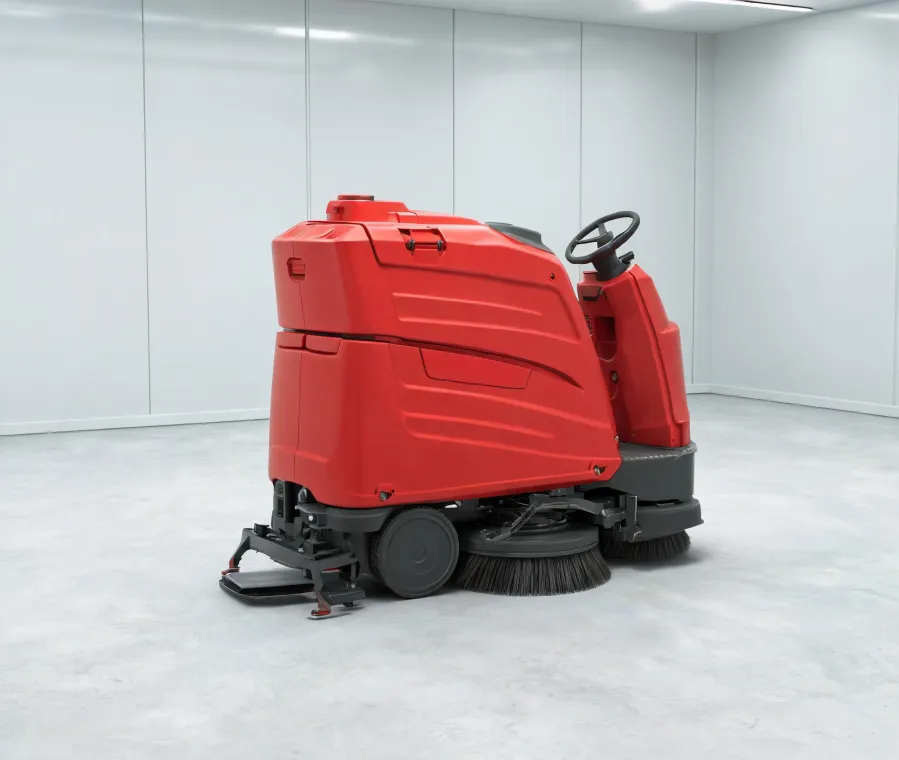
One machine, examined as a system
Disc and cylindrical approaches respond differently to loose debris, grout, coatings and daily traffic.
Aisle width, end-cap clearance and visibility affect productive coverage more than a headline working width alone.
Squeegee condition, vacuum path and recovery-tank hygiene determine whether a route leaves a dry, reopening-ready floor.
Control reach, sightlines and routine access influence training time and the consistency of each shift.
Selection worksheet
Use verified model documentation for final values. These tabs organize the questions an operations team should resolve before a demonstration.
Measured inputs
More solution is not automatically better. Metering, brush pressure, pace and recovery performance should be assessed together under the site’s own conditions.
Evaluation prompt
Share floor type, area, operating window and constraints. The next conversation can focus on a demonstrable cleaning method.